Conflict management in Bulgarian teams is essential as organisations balance traditional hierarchy with increasingly collaborative and international ways of working. In cities such as Sofia, Plovdiv and Varna, businesses are evolving quickly, requiring teams to communicate more openly while maintaining respect and structure.
This shift can create tension. Without clear frameworks, conflict may be avoided or handled indirectly, limiting collaboration and slowing progress. Effective conflict management provides teams with the tools to address differences constructively while preserving relationships.
When approached correctly, conflict becomes a source of improvement. Teams gain confidence to share ideas, challenge thinking and contribute to stronger outcomes. This leads to better communication, increased trust and improved team performance.
Balancing Hierarchy, Trust and Communication in Bulgarian Teams
Workplace culture in Bulgaria often places importance on respect, relationships and clear leadership structures. While this creates stability, it can also reduce open debate, particularly across seniority levels.
At the same time, many organisations in Bulgaria are part of international networks, where expectations for open feedback and collaboration are higher. This creates a need for structured conflict management that bridges both approaches.
High-performing organisations invest in developing communication and conflict resolution skills across all levels. Experiential learning is particularly effective in Bulgaria, where trust is built through shared experience.
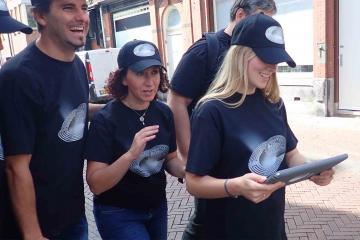
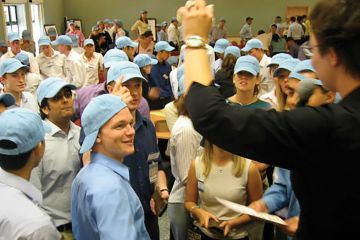
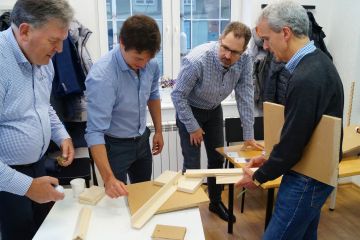
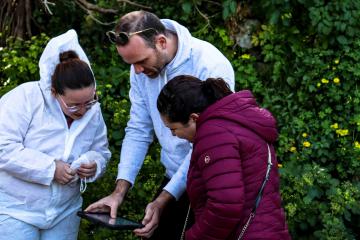
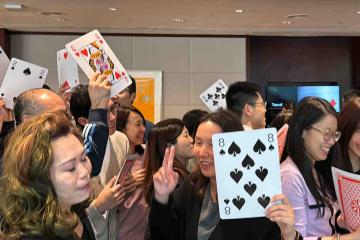
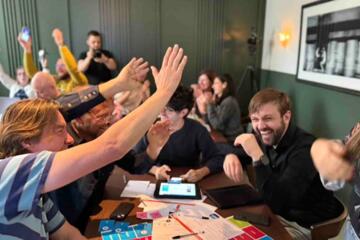
Through immersive team challenges, participants experience real-time conflict scenarios. They learn how to communicate with clarity, manage emotions and resolve tension constructively.
For HR leaders, L&D professionals and agencies, this delivers tangible results — improving engagement, strengthening relationships and enhancing team effectiveness.